
How One Adelaide Manufacturer Turned a Quiet Trade Show Stand Into Their Best-Ever Sales Day
A fictional-but-realistic case study showing how smart merch planning transformed a trade show stand into a lead generation powerhouse. Real tactics, real numbers.

Written by
Fern Bell
Event Merchandise
The Stand That Almost Got Skipped
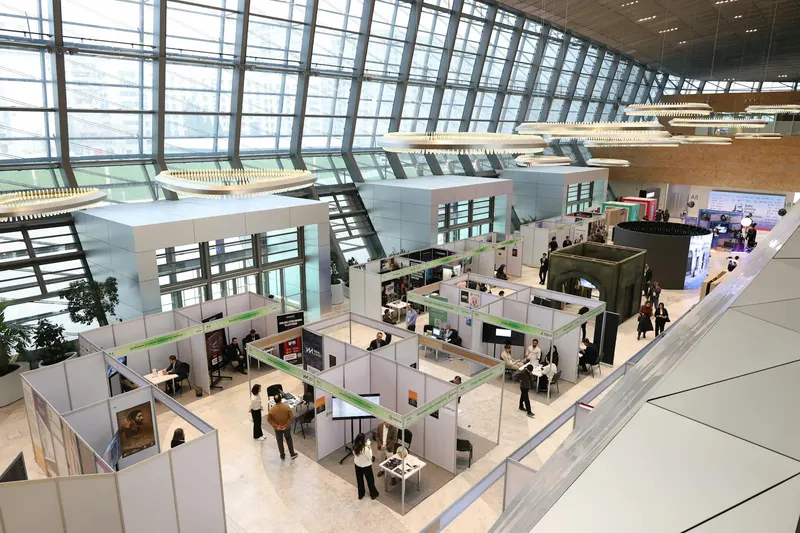
Coastal Forge Components — a mid-sized Adelaide-based manufacturer of industrial fittings — had exhibited at the same Melbourne trade show for three consecutive years with modest results. Their trade show stand was tidy, their team was knowledgeable, and their products were genuinely excellent. But foot traffic was thin, badge scans were underwhelming, and the sales pipeline that followed each event barely justified the cost.
In year four, their marketing coordinator, a practical woman named Rhiannon, decided to tear up the old approach and rebuild the stand strategy from scratch. She had a budget of $4,800 for promotional merchandise and branded materials — not enormous by industry standards, but not nothing either. What she did with it became something of a legend in their internal post-event debrief.
By the end of the two-day event, Coastal Forge had collected 214 qualified leads (up from 61 the previous year), distributed every single piece of merchandise they’d brought, and fielded three inbound enquiries before they’d even finished packing down the stand. Within six weeks, they had converted nine new client accounts worth a combined $340,000 in initial orders.
This article breaks down exactly what Rhiannon changed, why it worked, and what your business can adapt from the Coastal Forge playbook — regardless of your industry or budget.
Starting With the Stand Environment, Not the Giveaways
Most businesses approach trade show merchandise planning backwards. They start with the giveaways — the branded pens, the tote bags, the stress balls — and treat the stand environment as a backdrop. Rhiannon flipped this entirely.
Her first investment wasn’t in items to give away. It was in the physical experience of standing inside the Coastal Forge trade show stand itself.
Creating a Space People Actually Want to Enter
Rhiannon allocated $1,100 of her budget to display infrastructure: a retractable banner system, a printed tablecloth in the company’s navy and copper brand colours, and two fabric display panels that created a sense of enclosure on either side of the stand. She also invested in a small LED strip light kit that illuminated the product samples on the front table — a detail that cost under $80 but dramatically changed how the stand read from across the exhibition hall floor.
The psychology here is straightforward. A trade show floor in Melbourne or Sydney is sensory chaos — hundreds of stands, thousands of people, noise from every direction. Attendees are making micro-decisions about where to walk and where to stop every few seconds. A stand that looks cohesive, well-lit, and purposeful communicates credibility before a single word is spoken. A stand that looks cobbled together signals the opposite, regardless of how good the underlying product or service might be.
Coastal Forge’s physical footprint was 3 metres by 2 metres — one of the smaller configurations at the event. But with the fabric panels creating definition and the lighting drawing the eye to their product display, it consistently read as a premium presence.
Signage That Answered the Right Question
One of the retractable banners Rhiannon ordered didn’t feature the company logo prominently at all. Instead, in large, clear text, it posed a statement: “If your fittings are failing under pressure, we should talk.” Below that, in smaller text, a single line about Coastal Forge’s 22-year track record in precision manufacturing.
This was a deliberate choice. In a hall full of stands screaming their company name, a banner that spoke directly to a pain point stopped people in their tracks. Multiple attendees later told the team they’d specifically sought out the Coastal Forge stand after seeing that banner from across the floor.
The lesson: your display signage is not a billboard for your logo. It’s your opening sentence in a conversation. Make it work.
The Merchandise Strategy: Tiered, Intentional, and Earned
With approximately $3,700 remaining after the display infrastructure spend, Rhiannon designed a three-tier merchandise system. Each tier served a different purpose and was targeted at a different type of visitor interaction.
Tier One: High-Volume, Low-Cost Items for Open Engagement
These were the items available freely at the front of the stand — no conversation required. Rhiannon ordered 400 branded microfibre cloths in a compact pouch format. At roughly $1.80 per unit, they were affordable enough to give away generously, but useful enough that tradespeople and engineers — Coastal Forge’s core audience — would actually keep them. A microfibre cloth for cleaning equipment screens or safety goggles isn’t glamorous, but it’s genuinely practical for the people walking that particular trade floor.
She also had 500 small branded cable ties printed with the Coastal Forge logo and website. Again — not flashy, deeply functional for an industrial audience, and a daily-use item that keeps the brand visible in a workshop environment for months.
Total spend on Tier One: approximately $1,340.
Tier Two: Mid-Value Items for Badge Scans
Attendees who stopped for a conversation and allowed their badge to be scanned received a Tier Two item: a branded stainless steel pen in a kraft paper sleeve, paired with a small product specification booklet designed to look more like a reference guide than a brochure.
The pen cost $4.20 per unit. The booklet cost $1.10 each to print. But the combination felt premium — it was something worth taking, worth keeping, and worth showing a colleague. When a prospect received it, they felt the exchange was genuinely valuable rather than transactional.
Rhiannon ordered 250 of these kits. She ran out by early afternoon on day two, which was exactly the outcome she’d hoped for — controlled scarcity rather than abundance.
Total spend on Tier Two: approximately $1,325.
Tier Three: Premium Gifts for Decision-Makers
The third tier was reserved for serious conversations: attendees who indicated genuine purchasing authority, or who requested a formal follow-up meeting before leaving the stand. These visitors received a compact branded toolkit — a small fabric roll containing a multi-driver, a folding hex key set, and a tape measure, all co-branded with Coastal Forge’s logo and a short tagline.
Rhiannon ordered just 40 of these kits, at roughly $18.50 per unit. They weren’t given out casually, and the team was briefed on the criteria for offering them. This scarcity made receiving one feel meaningful — several recipients later mentioned the toolkit when they called back to enquire further.
Total spend on Tier Three: approximately $740.
Total merchandise budget spent: $3,405. Remaining budget carried forward for next event: $395.
Staff Presentation as a Merchandise Decision
One area often treated separately from merchandise planning is what the stand team wears. Rhiannon included this in her budget and approach from the beginning.
She ordered four embroidered polos in the Coastal Forge navy colourway, along with matching lanyards featuring the company name and website URL. The team looked cohesive without being corporate to the point of unapproachability — an important distinction at a trade event where many attendees are tradespeople or engineers who respond better to people who look like peers than to people who look like salespeople.
The lanyards served a secondary purpose: because they displayed the company name clearly, attendees who’d lost track of which stand they’d visited during a busy afternoon could often spot a Coastal Forge team member from a distance and follow up on a conversation they’d intended to continue.
What the Numbers Actually Proved
Here’s the before-and-after comparison from Coastal Forge’s internal event report:
| Metric | Year Three | Year Four |
|---|---|---|
| Badge scans collected | 61 | 214 |
| Post-event enquiries (within 2 weeks) | 8 | 31 |
| New accounts opened (within 6 weeks) | 2 | 9 |
| Estimated pipeline value generated | ~$74,000 | ~$340,000 |
| Merchandise budget spent | $1,200 | $4,800 |
The fourfold increase in merchandise spend generated roughly a 4.6x increase in pipeline value — and a conversion rate from scan to new account that more than doubled. More importantly, the quality of leads improved. The tiered merchandise approach naturally filtered conversations: people who engaged enough to receive a Tier Two or Three item were demonstrating genuine interest, not just grabbing a freebie.
What You Can Adapt From This Approach
You don’t need to be in industrial manufacturing to apply the Coastal Forge framework. The underlying principles translate across industries — whether you’re running a trade show stand at the Sydney Fine Food Show, the Brisbane Truck Show, or a local chamber of commerce expo in regional Queensland.
Think Environment First, Giveaways Second
Allocate budget to making your physical space feel cohesive and purposeful before you spend a dollar on items to hand out. Display signage, tablecloths, lighting, and fabric panels are often dramatically underbudgeted relative to their impact on foot traffic.
Match Your Merchandise to Your Actual Audience
Coastal Forge succeeded partly because their Tier One items — microfibre cloths and cable ties — were chosen with a specific type of person in mind. A tech company at a startup expo might choose a different anchor item entirely. The question is always: what does this person actually do with their hands every day, and how can we be part of that routine?
Use Scarcity and Tiers Deliberately
Not every visitor to your stand has the same potential value to your business. A tiered merchandise approach lets you reward and acknowledge the conversations that matter most, without broadcasting your selection criteria in a way that feels exclusionary.
Brief Your Team Like They’re Part of the Merchandise Strategy
Your stand team is a brand touchpoint. Their presentation, their knowledge of the merchandise tiers, and their ability to make the right call on who receives what — these are as important as the products themselves. A briefing session before the event opens is not optional.
The Lasting Impact of Getting This Right
Six months after that Melbourne trade show, Coastal Forge had used the nine new accounts from the event as reference customers in their next round of sales conversations. Three of those clients had already placed repeat orders. Rhiannon had been promoted.
More importantly, the company had developed a repeatable framework for exhibiting — one that removed the guesswork from merchandise planning and replaced it with a deliberate, audience-first strategy built around the physical experience of their trade show stand.
The stand itself hadn’t grown. The budget hadn’t exploded. What changed was the thinking behind every decision — from the banner that stopped people in their tracks to the branded toolkit that gave decision-makers something worth remembering.
That’s the difference between a stand that fills a floor space and one that genuinely works.