
How to Use Promotional Recipe Cards for Housewarming Gift Promotions in Australia
Discover how promotional recipe cards make memorable housewarming gifts for Australian businesses. Tips on design, printing, and distribution included.

Written by
Cassie Jensen
Eco & Sustainable Products
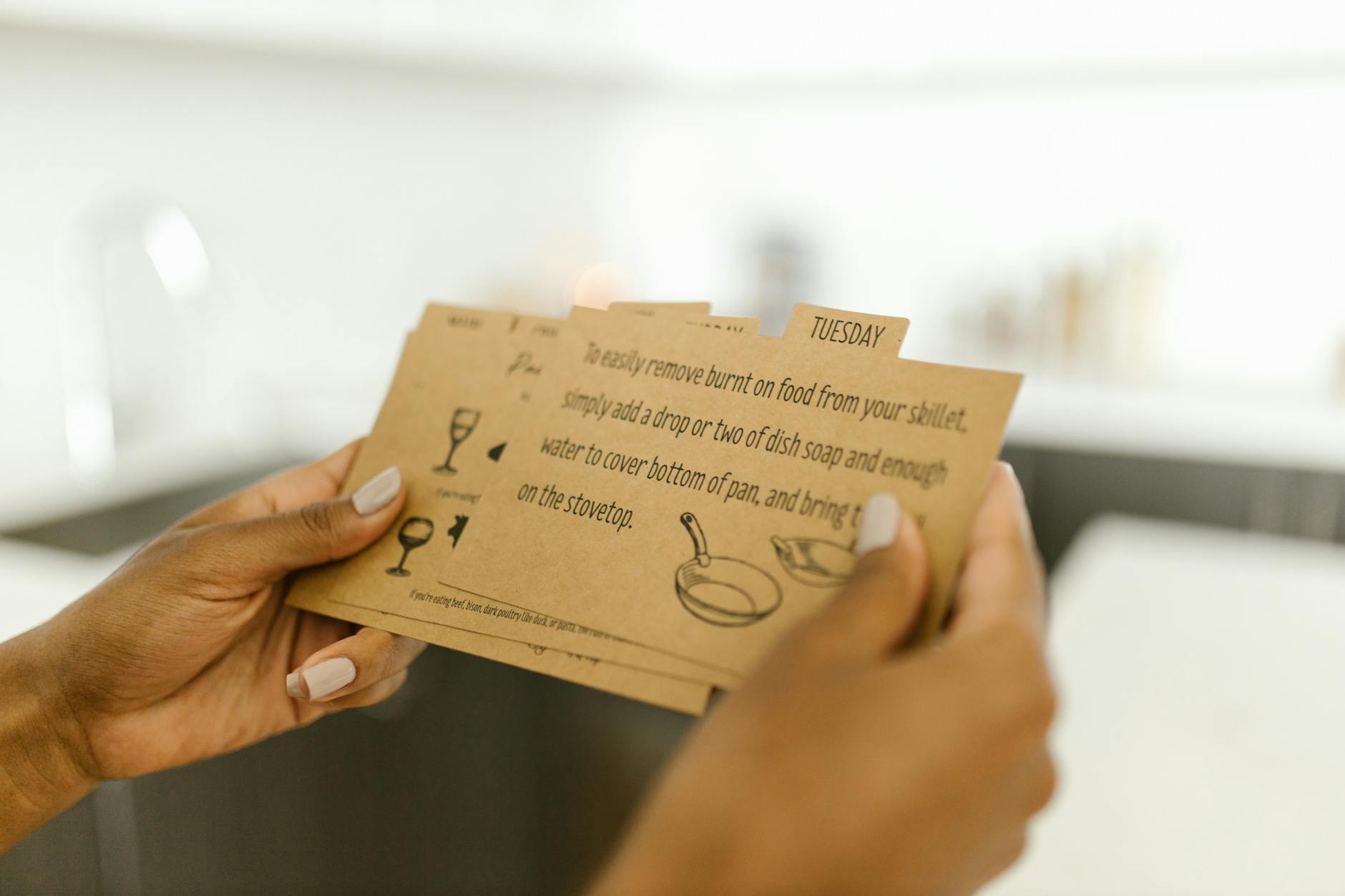
Promotional merchandise works best when it feels genuinely useful — and that’s exactly where promotional recipe cards for housewarming gift promotions in Australia are having a real moment. Whether you’re a real estate agency welcoming new homeowners, a kitchen brand looking to connect with customers, or a council running a community welcome program, branded recipe cards strike the perfect balance between practical and personal. They’re affordable to produce, easy to customise, and carry a warmth that a generic branded pen simply can’t match. In a crowded market where businesses are constantly searching for ways to stand out, this humble little product is quietly becoming one of the smartest tools in the promotional mix.
Why Recipe Cards Work So Well as Housewarming Promotional Products
There’s a reason recipe cards have been treasured keepsakes for generations. They carry meaning. They connect food, family, and memory. When you attach your brand to that emotional experience — thoughtfully and authentically — you’re not just handing someone a card. You’re giving them something they might actually keep on the kitchen bench.
For businesses operating in the home and lifestyle space, this is incredibly valuable. A branded recipe card isn’t thrown in the bin like a flyer. It doesn’t gather dust in a drawer like a branded stress ball. It sits beside the stovetop, it gets splashed with olive oil, and it becomes part of someone’s everyday routine. That kind of consistent, low-pressure brand exposure is genuinely hard to buy.
The Audiences Who Benefit Most
Promotional recipe cards for housewarming gift promotions in Australia suit a surprisingly wide range of industries:
- Real estate agencies gifting new homeowners after settlement
- Mortgage brokers and financial planners looking for a warm, memorable touchpoint
- Home builders and developers including them in handover packs for new builds
- Supermarkets and food brands promoting seasonal produce or new product lines
- Community councils running welcome-to-the-neighbourhood programs
- Home goods and kitchenware retailers using them as value-add with purchases
A Canberra-based home builder, for instance, might include a set of five branded recipe cards inside a welcome hamper handed over at the keys ceremony. It’s a small gesture with outsized impact — especially when the cards are well-designed and genuinely useful.
Designing Promotional Recipe Cards That People Actually Keep
The design phase is where most of the value is either created or lost. Recipe cards that feel like cheap afterthoughts will end up in recycling. Cards that are well-considered, beautiful, and functional will earn a permanent spot in someone’s kitchen.
Choose the Right Format and Size
Recipe cards typically come in two standard sizes: A6 (105mm × 148mm) and a slightly larger A5 (148mm × 210mm). A5 gives you more room for the recipe content and your branding, which is ideal if you’re including detailed instructions. A6 cards work beautifully as a set — think ten to twelve cards in a branded sleeve or box. Both formats can be printed with a gloss or matte laminate finish, and some suppliers offer a wipe-clean coating that’s particularly practical in kitchen environments.
Card stock weight matters too. Thin, flimsy card stock signals low quality. Aim for 350gsm to 400gsm as a minimum for a premium feel. If budget allows, consider a soft-touch matte laminate — it feels luxurious and holds up well with handling.
Balancing Brand Presence with Usability
Here’s where many businesses get it wrong: they go too heavy on the branding. The recipe card needs to feel like a gift, not an advertisement. Your logo, website, and perhaps a tagline should feature — but tastefully. The reverse side is ideal for branding and contact details, leaving the front clean and recipe-focused.
Work with a designer who understands branding and customisation considerations to ensure your logo placement and colour choices feel cohesive without dominating the card. PMS colour matching ensures your brand colours reproduce accurately across print runs, which is especially important if you’re ordering cards to distribute across multiple offices in different states.
QR Codes: A Smart Addition to Physical Recipe Cards
Adding a QR code to your branded recipe cards is an increasingly popular tactic. Link it to a recipe video on YouTube, a landing page with more recipes, or even a special offer for new homeowners. This bridges the physical and digital experience in a genuinely useful way. For more on this tactic, see our guide on QR code integration in promotional merchandise marketing.
Printing Methods and Production Considerations
Promotional recipe cards are typically produced using digital printing or offset lithography, depending on order quantities. Digital printing suits smaller runs — anywhere from 50 to 500 units — and allows for variable data printing if you want to personalise each card. Offset lithography becomes more cost-effective at higher volumes (1,000 units and above) and delivers exceptional colour fidelity.
Typical MOQs and Lead Times
Most Australian promotional product suppliers have a minimum order quantity (MOQ) of around 100 to 250 cards for a basic run. Premium finishes, custom die-cutting, or packaged sets in branded sleeves may push the MOQ higher. For a simple flat card with standard laminate, you’re often looking at a five to ten business day turnaround from proof approval.
If you’re planning a large-scale rollout — say, a Perth home builder distributing cards across 200 new properties — you’ll want to allow a minimum of three weeks from briefing to delivery, especially if you’re including the cards in a packaged kit with other items like reusable promotional items for sustainability-focused campaigns.
Pairing Recipe Cards with Complementary Products
Recipe cards rarely do their best work in isolation. They shine as part of a thoughtfully curated housewarming gift package. Consider pairing them with:
- A branded cotton or canvas tote bag (great for grocery runs) — see our guide on screen printing on custom bags in Australia for decoration options
- A branded reusable shopping bag in a complementary colour
- A quality keep cup or branded water bottle for the kitchen
- A small branded notebook and pen for the kitchen bench shopping list
A Melbourne real estate agency could put together a welcome kit — recipe cards, a branded tote, and a keep cup — all in consistent brand colours. It’s polished, practical, and genuinely appreciated by new homeowners who are still unpacking boxes.
Distribution Strategies for Maximum Impact
Getting the product right is only half the equation. How you distribute your promotional recipe cards determines how much brand exposure you actually receive.
Settlement Packs and Handover Kits
The most obvious distribution moment is the property handover itself. Including recipe cards in a settlement gift bag is a natural fit — the emotional high of getting the keys means recipients are primed to feel positive about every element of that experience. Agents across Brisbane, Adelaide, and the Gold Coast are increasingly curating these welcome packs rather than handing over a generic branded pen.
Welcome Hampers and Community Programs
Some local councils — particularly in regional Victoria and Western Australia — run welcome-to-the-area programs for new residents. Branded recipe cards featuring locally sourced produce or traditional regional recipes are a culturally rich way to connect with newcomers. This is especially effective for businesses and organisations reaching audiences in rural and regional Australia, where a sense of community welcome resonates strongly.
Trade Shows and Home Expos
Home and lifestyle expos are another powerful distribution channel. Kitchen brands, homewares retailers, and real estate developers regularly exhibit at events in Sydney and Melbourne, and a well-designed recipe card set can function beautifully as a take-home giveaway. For more ideas on maximising impact at these events, explore our guide on trade show booth ideas and our overview of setting up an effective trade show stand.
Direct Mail Campaigns
Recipe cards are thin and lightweight, making them economical to post. A mortgage broker in Darwin, for example, might mail a set of branded recipe cards to clients who’ve recently settled on a new property — a warm, unexpected touchpoint that reinforces the relationship months after the transaction.
Budgeting for Promotional Recipe Cards
Cost varies considerably depending on quantity, finish, packaging, and whether you’re ordering cards alone or as part of a kit. As a rough guide for the Australian market in 2026:
- Basic A6 or A5 card, gloss laminate, 250 units: $0.80–$1.50 per card
- Premium matte laminate with soft-touch finish, 500 units: $1.20–$2.50 per card
- Packaged set of 8–10 cards in branded sleeve, 200 units: $4.00–$8.00 per set
Setup fees for print files typically range from $50 to $150 depending on the supplier. Always request a physical sample before committing to a large run, and ensure you understand the supplier’s promotional product giveaway rules and regulations if you’re running a competition or incentive program alongside the distribution.
Businesses looking to source locally should consider exploring promotional product suppliers near Manly, Sydney or other metro hubs with strong print and production networks.
Eco-Friendly Options Worth Considering
Sustainability is increasingly front of mind for Australian businesses and consumers alike. If your brand values align with environmental responsibility, there are several eco-conscious options for recipe cards:
- FSC-certified card stock from sustainably managed forests
- Recycled paper stock with a natural, textured aesthetic
- Soy-based inks for printing (lower VOC emissions than petroleum-based inks)
- Uncoated or water-based laminate finishes as alternatives to plastic-based laminates
These choices resonate particularly well with audiences who prioritise sustainability — and they’re worth highlighting in your messaging. If this angle appeals, explore more ideas in our roundup of reusable and sustainable promotional items.
Conclusion: Key Takeaways for Your Housewarming Promotion
Promotional recipe cards for housewarming gift promotions in Australia represent a genuinely smart investment for any business looking to build meaningful, lasting brand connections with new homeowners and residents. They’re affordable, versatile, deeply personal, and — when designed well — the kind of thing people hold onto for years.
Here’s what to remember as you plan your campaign:
- Choose quality card stock and finish — 350gsm minimum with a matte or soft-touch laminate makes a strong first impression
- Keep branding tasteful — the card is a gift first; your logo should support the experience, not dominate it
- Pair with complementary products for a curated housewarming kit that feels premium and cohesive
- Consider eco-friendly materials if sustainability is a brand value you want to communicate
- Plan production timelines carefully — allow at least three weeks for larger, packaged orders to avoid last-minute stress
- Use QR codes to extend the physical card’s digital reach and drive traffic to your website or social channels
Done right, a branded recipe card isn’t just a piece of card stock — it’s a warm handshake that says you thought about the person receiving it. And in a world where that kind of thoughtfulness is rare, it goes a long way.