
Choosing the Right Promotional Products Supplier in Australia
Select the best promotional products supplier for your campaign. Expert guidance on finding reliable suppliers for quality branded merchandise.

Written by
Cassie Jensen
Eco & Sustainable Products
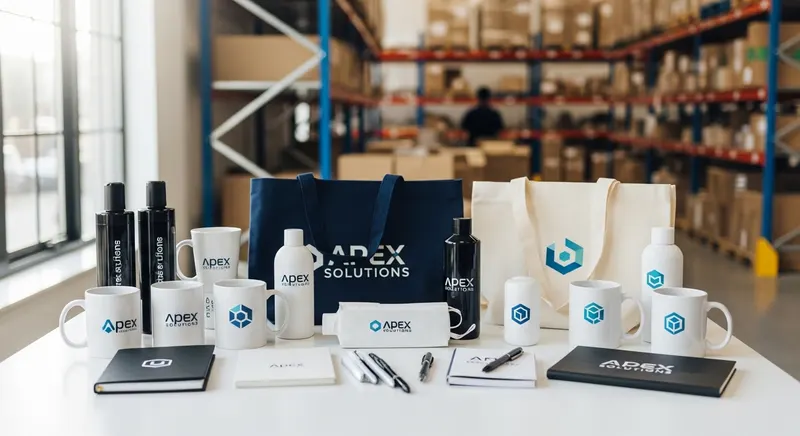
Choosing the right promotional products supplier can make the difference between a campaign that resonates and one that falls flat. Whether you’re a marketing manager in Sydney planning a product launch, a school in Brisbane coordinating a sports carnival, or a Melbourne council preparing for a community event, the supplier you partner with will directly influence the quality, timing, and overall success of your branded merchandise. With hundreds of options available across Australia, knowing what to look for — and what to avoid — is essential before you place a single order.
What Does a Promotional Products Supplier Actually Do?
Before diving into the selection process, it’s worth understanding the full scope of what a good supplier provides. It’s far more than simply printing a logo on a pen.
A reputable promotional products supplier manages the entire lifecycle of your merchandise order. This includes helping you select the right products for your audience, advising on the most suitable decoration methods, preparing artwork and proofs for approval, sourcing stock from local and international warehouses, coordinating production, and arranging delivery to your door — or directly to multiple locations if needed.
Some suppliers specialise in specific categories, such as custom apparel or eco-friendly merchandise. Others operate as full-service distributors offering everything from branded drinkware and keep cups to custom tote bags and corporate stationery packs. Understanding a supplier’s areas of strength will help you determine whether they’re the right fit for your specific project.
The Difference Between a Distributor and a Decorator
Many people use these terms interchangeably, but they’re not the same thing. A decorator is a production facility — they screen print, embroider, engrave, or sublimate products. A distributor sources the blank products, manages client relationships, handles artwork, and coordinates production through decorators or in-house facilities.
Most promotional products suppliers in Australia operate as distributors, which means they have access to a broad catalogue of products and multiple decoration partners. This flexibility is generally a strength, though it’s worth asking any prospective supplier whether they have in-house production capabilities or whether they rely entirely on third-party decorators, as this can affect quality control and turnaround times.
Key Factors to Evaluate When Choosing a Promotional Products Supplier
Not all suppliers are created equal. Here’s what you should be looking at before committing to a partnership.
1. Product Range and Catalogue Depth
A wide product range gives you flexibility. If your supplier only offers a narrow selection, you may find yourself working with multiple vendors across a single campaign — which creates unnecessary complexity. Look for a supplier with a catalogue that spans apparel, drinkware, bags, tech accessories, stationery, and event-specific items.
For organisations with sustainability goals — like government departments in Canberra or universities across Adelaide and Perth — access to a strong range of eco-friendly promotional products is increasingly non-negotiable.
2. Decoration Method Expertise
Different products demand different decoration methods, and not every supplier has equal expertise across all of them. A hoodie destined for a Gold Coast surf club will likely suit embroidery, while a run of sublimated polo shirts for a Darwin government agency requires precision colour management. Laser engraving is ideal for premium corporate gifts like metal drinkware and notebooks.
Ask your potential supplier about their experience with the decoration method that suits your product. Request samples where possible — most reputable suppliers can provide pre-production samples or existing production samples to give you a feel for quality.
3. Minimum Order Quantities (MOQs)
MOQs vary significantly between suppliers and product types. A branded ballpoint pen might have an MOQ of 50 units, while a custom-manufactured product could require 500 or more to make production viable. Understanding MOQs upfront will save you from budget surprises.
For smaller organisations like sports clubs, community charities, or primary schools in regional NSW or Victoria, a supplier who can accommodate lower minimums without inflating the per-unit price is a genuine asset. Some suppliers offer blank or pre-decorated stock with no minimums, which is useful for last-minute or small-volume needs. You can learn more about how MOQs work and how to manage them before approaching suppliers.
4. Turnaround Times and Rush Capabilities
In the promotions industry, timelines are often tight. A standard order might have a 10–15 business day turnaround from artwork approval, but many campaigns require faster delivery. Whether you’re stocking up for a trade show in Melbourne or getting polo shirts ready for a school athletics day in Hobart, knowing your supplier’s realistic turnaround — including rush options — is critical.
Always confirm turnaround expectations in writing, and factor in artwork approval time, which can add several days if revisions are needed. Read our breakdown of typical promotional product turnaround times to understand what’s realistic at different price points.
5. Artwork and Prepress Capabilities
A supplier with a skilled in-house artwork team is worth their weight in gold. They can work with your existing brand assets, assist if your files aren’t print-ready, and ensure colours are matched correctly across different decoration methods. For organisations with strict brand guidelines — like ASX-listed companies or national charities — PMS colour matching is often essential, and your supplier should be able to accommodate this.
If you’re unsure what file types you need to supply, check out our guide to preparing artwork for promotional products before reaching out to a supplier.
6. Pricing Transparency and Setup Fees
Pricing in the promotional products industry can be opaque if you’re not familiar with the structure. Most suppliers charge setup fees (sometimes called screen charges or origination fees) on top of the per-unit price. These cover the cost of creating screens, embroidery digitising files, or laser templates.
A trustworthy supplier will itemise these costs clearly in their quote. Watch out for quotes that bundle everything together without itemising decoration costs, freight, and GST — it makes genuine price comparison difficult. For guidance on reading and comparing quotes effectively, see how to compare promotional product quotes.
Red Flags to Watch Out For
Even with strong due diligence, some suppliers fall short. Here are warning signs worth noting during your evaluation.
Vague or missing samples policy. Any supplier unwilling to provide samples, or who charges excessive amounts for them, may be signalling that product quality doesn’t hold up to scrutiny.
No clear proof approval process. Reputable suppliers always provide a digital proof — showing your logo, placement, and colours — before proceeding to production. If a supplier skips this step, you have little recourse if the final product doesn’t match your expectations.
Unusually low pricing with no explanation. Pricing below market rates can indicate inferior blank products, inconsistent decoration quality, or hidden charges that appear on the final invoice. Competitive pricing is great; suspiciously cheap pricing is a risk.
Poor communication responsiveness. If it takes days to get a response during the quoting phase, imagine how difficult it will be to resolve a problem once an order is in production.
Working Effectively With Your Promotional Products Supplier
Once you’ve chosen a supplier, there are practical steps you can take to ensure the relationship runs smoothly and your orders turn out exactly as intended.
Brief Clearly and Early
The more detail you provide upfront, the fewer back-and-forth delays you’ll experience. A thorough brief should include your event or campaign date, the quantity you need, your preferred product type, your logo files (ideally in vector format), your brand colour codes, and your delivery address. If you’re ordering custom corporate gifts for an executive audience, mention the context — a good supplier will tailor their recommendations accordingly.
Build a Long-Term Relationship
The promotional products industry rewards consistency. Suppliers who know your brand, your preferences, and your standards will deliver better results over time. If you’re a business that runs regular campaigns — quarterly merchandise packs, conference kits, staff onboarding gifts — establishing an ongoing account relationship with a preferred supplier typically results in better pricing, priority service, and fewer errors.
Request Pre-Production Samples for Large Orders
For orders exceeding several hundred units, it’s almost always worth requesting a pre-production sample before full production commences. Yes, this adds time and sometimes a small cost — but it eliminates the risk of an entire run being produced incorrectly. This is especially important for custom embroidered workwear and items with complex multi-colour decoration.
Understand Your Supplier’s Returns and Reprints Policy
Mistakes do occasionally happen in manufacturing. Before placing an order, understand your supplier’s policy around reprints or replacements in the event of a production error. A supplier confident in their quality standards will have a clear and fair policy in place.
Questions to Ask a Promotional Products Supplier Before Ordering
To help you shortlist and vet suppliers effectively, here are some practical questions worth raising:
- What is your standard turnaround time from artwork approval to delivery?
- Do you have in-house decoration facilities or do you outsource production?
- What file formats do you require for artwork, and do you have an art team to assist?
- What is your policy if the finished product doesn’t match the approved proof?
- Can you provide references or case studies from similar industries or order types?
- Do you offer warehousing or fulfilment services for organisations with ongoing merchandise needs?
These questions will quickly separate experienced, professional suppliers from those who aren’t ready to handle the complexity your project may require. For schools in particular, see our dedicated guide to choosing promotional products for school events for more targeted advice.
Conclusion: Getting the Most From Your Promotional Products Supplier
Finding the right promotional products supplier isn’t something to rush. The investment you make in proper supplier evaluation — before a single item is ordered — will pay off in better products, smoother campaigns, and a partnership that grows stronger over time. Whether you’re sourcing merchandise for a small Brisbane not-for-profit or coordinating a national product launch across every major Australian city, the principles remain the same: prioritise quality, transparency, communication, and expertise.
Here are the key takeaways to keep in mind:
- Assess product range and decoration expertise before assuming a supplier can handle your specific requirements
- Always request itemised quotes so you can compare setup fees, unit costs, freight, and GST clearly
- Confirm turnaround times in writing and ask about rush options if your timeline is tight
- Request samples and insist on a proof approval process to protect against costly production errors
- Build long-term relationships with suppliers who understand your brand — consistency pays dividends in quality and service
With the right partner alongside you, branded merchandise becomes one of the most cost-effective and impactful tools in your marketing or community engagement toolkit.