
How to Use Printed Photos as Memorable Corporate Gifts and Branded Merchandise
Discover how printed photos can elevate your corporate gifting strategy. Tips on products, decoration methods, and ordering for Australian businesses.

Written by
Harvey Osei
Corporate Gifts
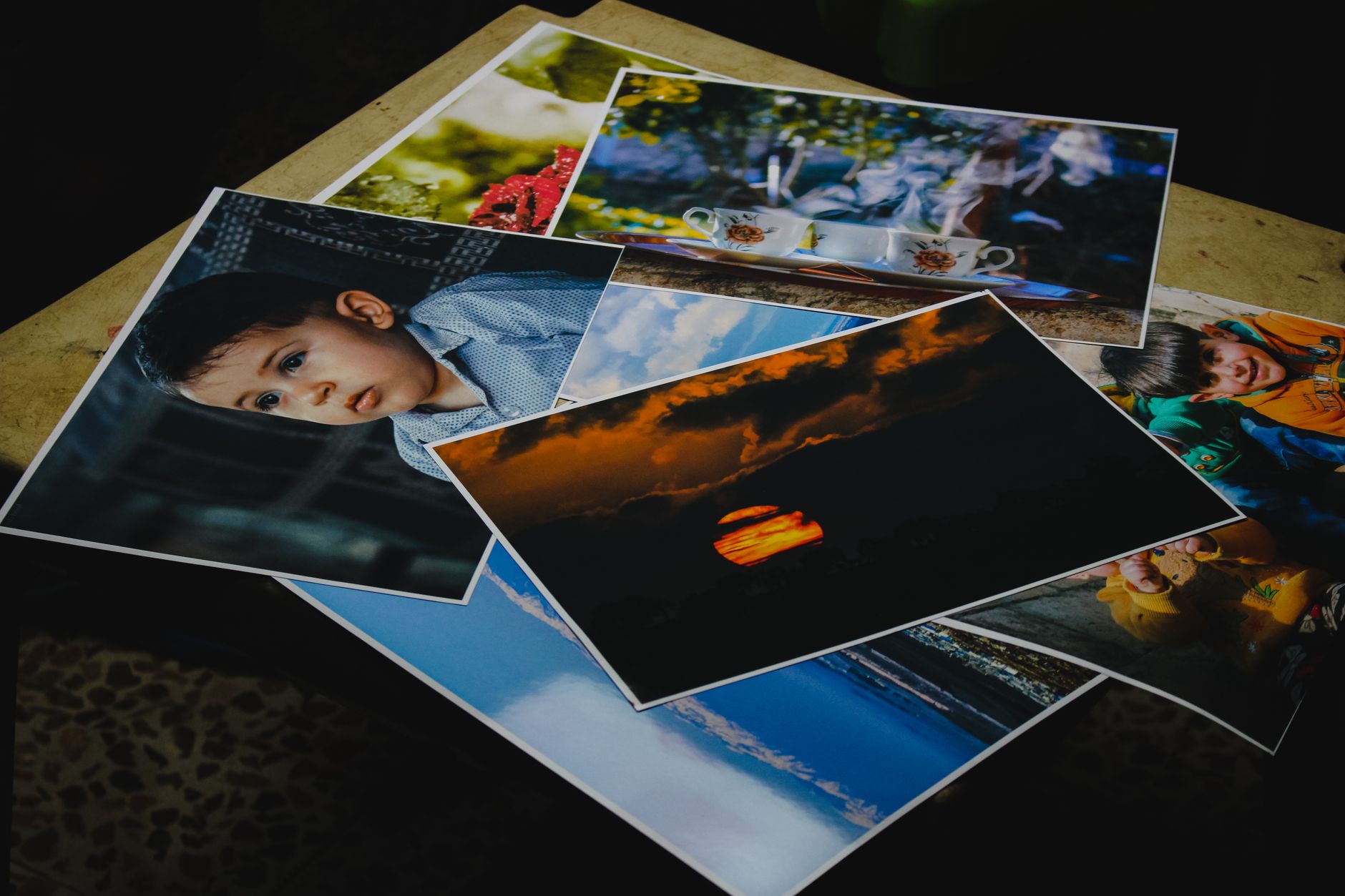
Printed photos have a unique power that most promotional products simply can’t replicate — they tell a story. Whether it’s a candid moment from a company retreat, a milestone achievement captured on camera, or a team photo from a charity fun run, a professionally printed photo transformed into a branded keepsake can leave a lasting impression on clients, staff, and stakeholders alike. For Australian businesses, schools, and organisations looking to elevate their corporate gifting game in 2026, incorporating printed photos into your merchandise strategy is one of the most personal and memorable approaches you can take.
Why Printed Photos Work So Well as Corporate Gifts
There’s a reason photo gifts remain one of the most emotionally resonant forms of branded merchandise. Unlike a generic pen or a standard tote bag, a printed photo connects the recipient to a specific memory or experience. That connection creates a positive association with your brand that’s genuinely difficult to manufacture through traditional promotional products alone.
For corporate gifting specifically, printed photo products work across a surprising range of contexts. A Sydney-based financial services firm might order custom framed team photos for long-serving employees. A Brisbane primary school could create end-of-year printed photo books celebrating students and staff. A Melbourne events company might send clients printed canvas prints from a successful launch event they co-hosted. The applications are broad, and the emotional return on investment is consistently high.
Beyond sentiment, printed photos also serve a practical function — they tend to be kept rather than discarded. Research consistently shows that branded merchandise recipients are far more likely to hold onto items they find meaningful or useful, and personalised photo products sit firmly in that category.
Types of Products That Feature a Printed Photo
When most people think of a printed photo, they picture a standard 6x4 print in a frame. But the landscape of photo merchandise available to Australian organisations has expanded enormously. Here’s a breakdown of the most popular product categories for corporate and school use.
Photo Mugs and Drinkware
Custom mugs featuring a printed photo are a staple of corporate gifting for good reason — they’re used daily, they’re visible on desks and in break rooms, and they’re genuinely practical. Sublimation printing is the preferred decoration method for photo mugs, delivering full-colour, edge-to-edge results that hold up to repeated washing. Minimum order quantities (MOQs) for sublimated mugs typically start from as few as 12 pieces, making them accessible even for small teams.
Photo Books and Printed Albums
For events, conferences, or end-of-year celebrations, a professionally printed photo book is a premium gift option that people genuinely treasure. A Gold Coast resort running an annual partner conference might produce a limited-edition printed photo album capturing highlights from the event — a thoughtful keepsake that reinforces the brand long after attendees return home.
Canvas Prints and Wall Art
For corporate office spaces, printed photo canvas art adds personality and brand culture to the environment. Think large-format prints of team photos, milestone moments, or even brand-aligned photography printed on gallery-wrap canvases. These are particularly popular for reception areas, boardrooms, and open-plan offices in Adelaide, Perth, and Canberra, where organisations are investing more in workplace identity.
Printed Photo Frames and Desk Items
Branded photo frames make excellent onboarding gifts, milestone awards, or client thank-you packages. Pair a printed photo with a laser-engraved frame featuring the company name and a personalised message, and you’ve created something genuinely special. If you’re exploring award-style merchandise, it’s worth reviewing how QR code integration in promotional merchandise marketing can be combined with physical products for a modern twist on traditional gifting.
Custom Notebooks and Stationery with Photo Covers
Custom notebooks with a printed photo on the cover — whether a team image, a branded lifestyle shot, or an event photo — are fantastic for conferences and onboarding kits. For more inspiration on stationery-style products, take a look at what’s available through local stationery stores for complementary items.
Photo-Printed Apparel
Sublimation printing enables full-colour photo imagery to be printed directly onto garments, including t-shirts, hoodies, and performance wear. This is particularly popular for school events, sporting clubs, and charity fundraisers. If your organisation is planning a school sports event, the School Sport Australia merchandise guide offers useful context on apparel ordering for educational institutions.
Choosing the Right Decoration Method for Your Printed Photo Product
The decoration method makes or breaks a printed photo product. Here’s a quick overview of the most relevant techniques:
Sublimation printing is the gold standard for photo-quality colour reproduction. It works by transferring dye into the surface of the material under heat, resulting in vibrant, photo-realistic images that won’t crack, peel, or fade. It’s ideal for mugs, garments made from polyester, mouse pads, and hard panels.
Digital printing (also called direct-to-garment or DTG for apparel) is well-suited to complex, photographic designs on fabric. It offers excellent colour fidelity and works well for lower quantity runs where sublimation isn’t practical.
UV printing is used for hard substrates like phone cases, acrylic panels, and wooden items, producing sharp, detailed photo reproduction on rigid surfaces.
Laser engraving doesn’t reproduce colour photographs per se, but can etch photographic-style portrait images onto materials like timber and metal for a sophisticated, monochromatic effect — excellent for executive gifts and awards.
Understanding which method suits your product and artwork will help you avoid disappointing results. If you’re comparing decoration techniques for bags and apparel, our guide to screen printing on custom bags in Australia is a great starting point.
Practical Tips for Ordering Printed Photo Products in Australia
Getting the best outcome from a printed photo order comes down to a few key fundamentals.
Image Quality is Non-Negotiable
The single most common issue with printed photo merchandise is low-resolution source images. For high-quality print results, your image should be at least 300 DPI (dots per inch) at the intended print size. A photo that looks sharp on your phone screen may reproduce poorly when printed at A3 size. Always ask your supplier what resolution they recommend before submitting artwork.
Understand Lead Times and Turnarounds
Printed photo products often require slightly longer turnaround times than standard promotional items because of the personalisation involved. For most products in Australia, expect five to ten business days once artwork is approved. If you need products for a specific event, factor in additional time for proofing. Working with a reliable promotional products supplier who communicates turnaround expectations clearly will save you considerable stress.
Budget Accordingly for Smaller Runs
Photo merchandise often involves per-unit setup costs, particularly for digital and sublimation printing. Unit costs typically decrease significantly at higher quantities, so it’s worth consolidating your orders. For one-off executive gifts, budget for premium presentation — a higher unit cost is justified when the recipient is a valued client or long-serving employee.
Check Proofs Carefully
Always request a digital proof before your order goes to print. Colours can shift between screens and print outputs, so if colour accuracy is critical (particularly for brand colours), ask your supplier about PMS colour matching and whether soft proofing options are available.
Consider Sustainability Options
Eco-conscious organisations should ask about sustainably sourced substrates and inks. Many Australian suppliers now offer FSC-certified photo paper, water-based inks, and products made from recycled or natural materials. If sustainability is a brand value for your organisation, explore the full range of reusable promotional items for sustainability-focused companies to see what aligns with your gifting strategy.
Printed Photos in a Broader Corporate Gifting Strategy
Printed photo products work best when they’re part of a considered gifting strategy rather than a standalone tactic. Think about how they complement other merchandise items — for example, a photo mug paired with a quality notebook, or a custom canvas print accompanied by a branded pen drive loaded with event content.
For trade show and expo settings, photo products can serve as conversation starters or premium booth prizes. If you’re planning your next exhibition, the trade show booth ideas guide and our overview of trade show stand planning offer excellent frameworks for thinking about merchandise in an event context. You might also consider how shirts for Christmas gifting or varsity jackets can be paired with printed photo keepsakes for seasonal campaigns.
Don’t overlook niche applications either. Healthcare organisations, for example, use personalised photo products as appreciation gifts for staff and volunteers — if that resonates with your sector, promotional yoga mats for healthcare providers offers a glimpse into the breadth of gifting options available for that industry. Similarly, for organisations running promotional giveaways involving personalised items, it’s worth familiarising yourself with Australian promotional product giveaway rules and regulations to ensure compliance.
Conclusion: Key Takeaways for Using Printed Photos in Corporate Gifting
Printed photo products represent one of the most meaningful and memorable options in the corporate gifting toolkit. When executed well, they create genuine emotional connections between your brand and your audience. Here are the most important points to carry with you:
- Image quality is everything — always supply high-resolution files (300 DPI minimum) to ensure print-ready artwork
- Choose the right decoration method — sublimation is best for full-colour photo reproduction on mugs and apparel, while UV printing suits rigid surfaces
- Plan lead times carefully — personalised products take longer to produce, so build buffer time into your event or gifting timeline
- Think strategically — printed photo products are most effective when they’re part of a broader gifting package rather than a standalone item
- Explore sustainable options — eco-conscious substrates and inks are increasingly available and align well with modern brand values
- Work with experienced suppliers — a knowledgeable promotional products partner will guide you through artwork requirements, proofing, and product selection to ensure outstanding results
Whether you’re a Hobart-based SME ordering anniversary gifts for loyal clients, or a Darwin school creating end-of-year keepsakes for graduating students, the printed photo remains one of the most powerful tools in the branded merchandise playbook.