
How to Choose a Man Shirts Brand for Corporate and School Merchandise
Discover how to choose the right man shirts brand for corporate uniforms, school merch, and events. Expert tips on styles, decoration, and ordering.

Written by
Reid Patel
Custom Apparel
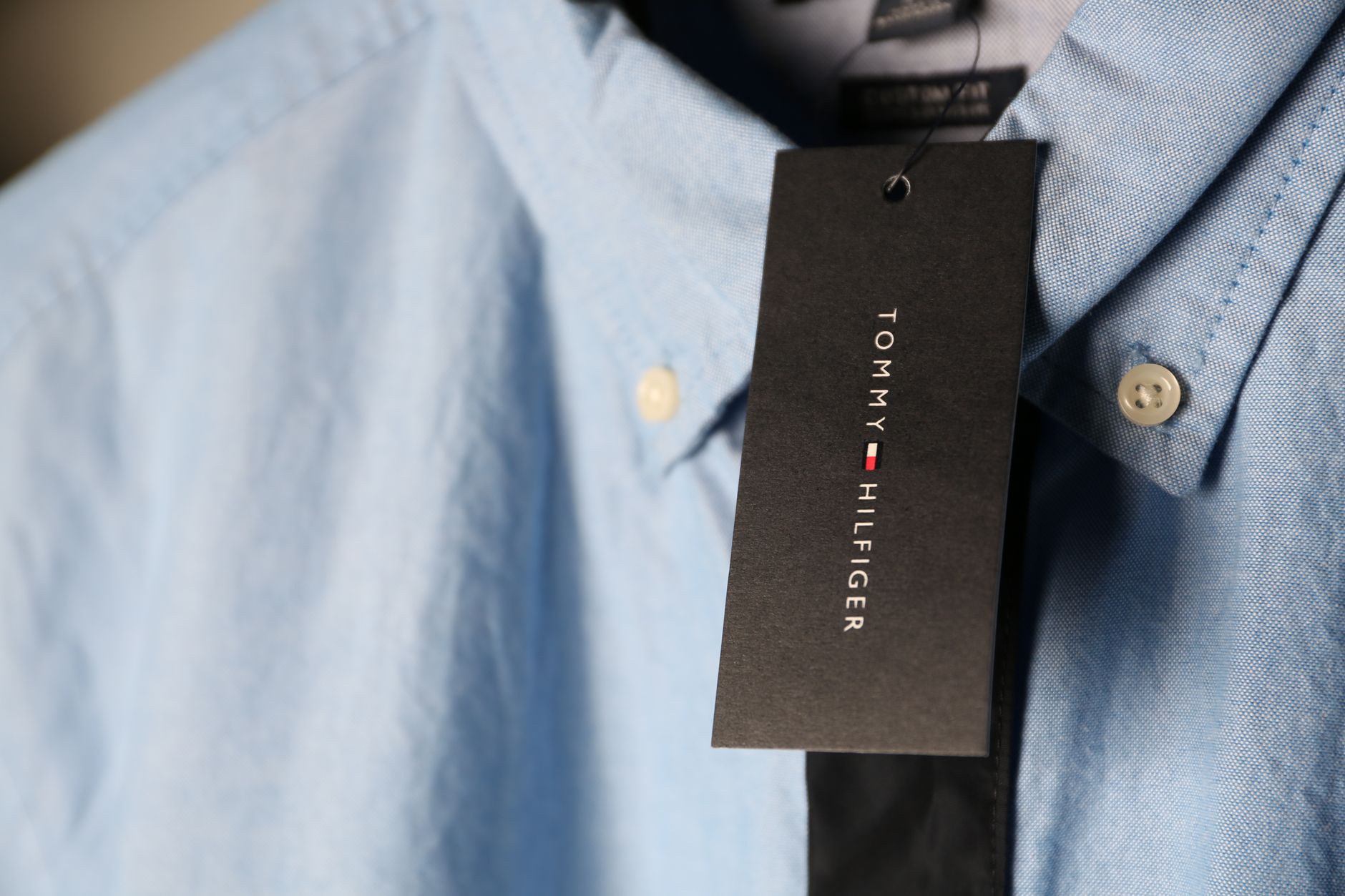
Choosing the right man shirts brand for your organisation’s merchandise might seem straightforward — until you’re staring at a catalogue with dozens of styles, weights, and decoration options, all with different price points and minimum order quantities. Whether you’re a Melbourne corporate outfit kitting out a sales team, a Brisbane school preparing for sports day, or a Sydney events company sourcing shirts for a conference, the decisions you make upfront can save you considerable time, money, and frustration. This guide breaks down everything you need to know to make a confident, well-informed choice.
Why the Right Man Shirts Brand Matters for Branded Merchandise
It’s tempting to think any shirt with your logo on it will do the job. In reality, the brand of shirt you choose has a direct impact on how your decoration looks, how long the garment lasts, and how your team or recipients feel wearing it. A poorly chosen shirt can cause your embroidery to pucker, your screen print to crack, or your wearers to complain after a single wash.
For organisations investing in branded apparel, the shirt is as much a part of the brand story as the logo itself. A corporate business handing out polo shirts at a Perth trade show wants something that looks sharp under event lighting. A Hobart school ordering custom tees for a fundraiser wants something durable enough for kids to wear repeatedly. The right man shirts brand addresses these very different needs.
Beyond aesthetics, choosing a recognised, quality brand signals professionalism to your audience. It also gives your decorator confidence — experienced printers and embroiderers know exactly how certain brands behave under heat or needle, which means better results and fewer reprints.
Understanding the Main Categories of Men’s Shirts for Merch
Before diving into brand specifics, it helps to understand the main shirt categories available in the promotional apparel space. Each has its own strengths depending on your use case.
Classic Cotton T-Shirts
The workhorse of the promotional products world. Cotton tees are cost-effective, widely available, and easy to decorate using screen printing or embroidery. They’re ideal for events, schools, and community organisations. A standard 180gsm cotton tee is a solid all-rounder; heavier weights like 200gsm or 220gsm offer more durability and a more substantial feel, which tends to appeal to corporate audiences.
Polo Shirts
Polos sit in a sweet spot between casual and professional, making them the go-to choice for corporate teams, real estate agencies, healthcare providers, and hospitality businesses. They’re typically available in piqué cotton or moisture-wicking performance fabrics. Embroidery is the most common decoration method for polos — it adds a premium finish that screen printing simply can’t replicate on a textured piqué weave.
Business Shirts and Dress Shirts
Button-down styles are less common in the promotional products space but are increasingly requested by professional services firms, financial institutions, and government departments. These are typically embroidered on the chest or left sleeve. Brisbane and Sydney corporate clients often request these for client-facing teams.
Performance and Hi-Vis Shirts
Trades, construction, mining, and outdoor event staff often require hi-vis or moisture-wicking performance shirts. These garments must meet safety standards in relevant industries, so product selection requires extra care. If your team works outdoors or in regulated environments, you’ll also want to explore promotional safety signage considerations alongside your apparel choices.
Key Factors When Selecting a Man Shirts Brand for Your Order
With categories sorted, let’s explore the decision-making criteria that matter most when selecting a man shirts brand for a bulk merchandise order.
Fabric Quality and Weight
GSM (grams per square metre) is your guide to fabric weight. For promotional t-shirts, 160gsm feels light and summery but may be see-through on lighter colours. The 180–200gsm range is the industry sweet spot. For polos, 210–220gsm piqué is considered good quality for corporate use. Always request samples before committing to a large order — most reputable promotional product suppliers can organise samples quickly.
Fit and Sizing
Australian sizing standards can vary between brands. What one brand labels as a Large, another might cut closer to a Medium. For organisations ordering across a large team, it’s worth checking that the brand offers a wide size range (typically XS–5XL), consistent measurements between batches, and a fit that suits the context — slim cut for fashion-forward brands, regular fit for comfort-focused teams.
Decoration Compatibility
Not all shirts play equally well with all decoration methods. Cotton tees handle screen printing beautifully. Polyester or blended performance fabrics are better suited to sublimation or heat transfer. Piqué polos are the natural home of embroidery. Ask your decorator upfront which brands they prefer to work with — their experience with specific garments will directly influence the quality of your finished product.
Colour Range and PMS Matching
If your organisation has strict brand colour guidelines, check whether your chosen man shirts brand offers a colour that closely matches your PMS specification. Not all brands offer the same breadth of colourways, and not all shirts can be dyed to order for smaller runs. This is especially important for schools and sporting clubs with strong colour identities — a deep navy that reads purple under certain lights is nobody’s idea of on-brand.
Minimum Order Quantities and Pricing
MOQs vary significantly between brands and decorators. Some screen printers require a minimum of 12 units per colour/style; others start from as few as 6. Embroidery setups often allow lower MOQs because there’s no screen to make, but you’ll typically pay a digitising fee (usually $30–$80 as a once-off) to create the embroidery file. Bulk pricing tiers usually kick in at 25, 50, and 100+ units, so the more you order, the lower your per-unit cost.
Turnaround Time
Standard decorated shirt orders in Australia typically take 7–14 business days from proof approval. Rush jobs can sometimes be turned around in 3–5 business days for an additional fee. If you’re ordering for a specific event, always add a buffer — and if you’re in a regional area like Darwin or Hobart, factor in additional freight time.
Popular Occasions and Use Cases for Branded Men’s Shirts
Knowing what you need helps narrow down which man shirts brand will serve you best.
Corporate Uniforms and Teams: Polos and business shirts dominate here. Think consistent branding across a team, with embroidered logos for a polished finish. If you’re heading to a trade show or expo, matching shirts on your team create instant visual cohesion and make your booth memorable.
School and Sporting Events: Cotton tees are king in this space. A Canberra primary school running a colour run fundraiser might order 200 tees in four different colours — all screen printed with the school logo and event name. Check out school sport merchandise options for inspiration on styles that work for active events.
Conferences and Events: For staff shirts at conferences, comfort and branded visibility are the priorities. Consider QR code integration on your shirts as a creative way to drive digital engagement — a QR code printed on the back of a shirt can link attendees to a landing page, agenda, or social profile.
Seasonal Gifting: Branded shirts make genuinely appreciated gifts, particularly when chosen with care. Christmas shirt options are popular with businesses wanting to send something more practical than a hamper. A lightweight cotton tee or stylish polo in seasonal colours shows thoughtfulness.
Eco-Conscious Organisations: If your organisation prioritises sustainability, look for man shirts brands that offer GOTS-certified organic cotton, recycled polyester blends, or Fair Trade manufacturing. Pairing sustainable shirts with other reusable promotional items creates a cohesive, values-aligned merchandise strategy.
Artwork, Proofs, and Getting the Decoration Right
No matter which man shirts brand you choose, the quality of your decoration is only as good as your artwork file. For the best results:
- Supply vector files (AI, EPS, or high-resolution PDF) wherever possible
- Confirm the decoration placement — left chest, full front, sleeve, or back
- Approve a digital proof before production begins, and where budget allows, request a physical sample
- Clarify thread colours for embroidery (using Pantone or Madeira/Isacord references) or ink colours for screen printing
If you’re working with a promotional products supplier in your area, they can often provide face-to-face consultations to review artwork and samples before you commit.
Complementing Your Shirt Order with Other Branded Items
Shirts rarely exist in isolation in a well-considered merchandise strategy. Pairing your branded shirts with complementary products creates a more complete and memorable brand experience.
For corporate events, consider adding branded tote bags or shopping bags to hold conference materials. For sporting teams, branded varsity jackets or sports brand accessories round out a full kit. Tech teams might appreciate promotional pen drives alongside their new shirts — a practical combo for onboarding packs or trade show giveaways.
If you’re putting together a staff gift pack, why not add a branded notebook from a local stationery supplier or even a branded yoga mat for wellness-focused organisations?
Before you finalise any giveaway campaign involving branded shirts, it’s also worth reviewing the rules and regulations around promotional product giveaways in Australia to ensure your campaign is compliant.
Conclusion: Key Takeaways for Choosing a Man Shirts Brand
Selecting the right man shirts brand for your Australian organisation’s merchandise doesn’t have to be overwhelming. With the right knowledge and a trusted supplier by your side, you can produce shirts that genuinely represent your brand and delight the people wearing them.
Here are five key takeaways to guide your decision:
- Match the shirt style to the use case — polos for corporate, tees for events and schools, performance fabrics for active or hi-vis environments
- Check decoration compatibility early — fabric composition affects which method (screen print, embroidery, sublimation) will deliver the best result
- Always request samples before bulk ordering — fit, colour, and fabric quality can vary significantly between brands
- Build in lead time — allow at least 2–3 weeks from artwork approval to delivery, especially for orders over 50 units or in regional areas
- Think beyond the shirt — combine your branded shirts with complementary merchandise items to create a more complete and impactful brand experience